
ADUs
What is an ADU?
Accessory Dwelling Units (ADUs): Strategic Consulting for Backyard Housing & Intelligent Financing
ADUs Are Real Estate Projects — Not Home Improvements
An Accessory Dwelling Unit is not simply an addition to your home. It is a secondary housing structure that meaningfully changes the financial profile of your property — and it deserves to be treated that way from the very beginning.
Whether it's called a granny flat, guest house, garage conversion, backyard cottage, or casita, an ADU is a real estate development decision with long-term implications for your equity, your income potential, and your property's market value.
RJ Jaramillo has been structuring residential financing since 1989 and specializes in complex housing categories including ADUs, modular homes, barndominiums, and alternative construction projects nationwide. As a member of the Building Industry Association (BIA) and the Casita Coalition of San Diego, RJ works at the intersection of zoning, construction, and residential lending — which is exactly where ADU projects live. At MyADULoan.com, every ADU is approached as a strategic project, not a cosmetic remodel.
Contact Us
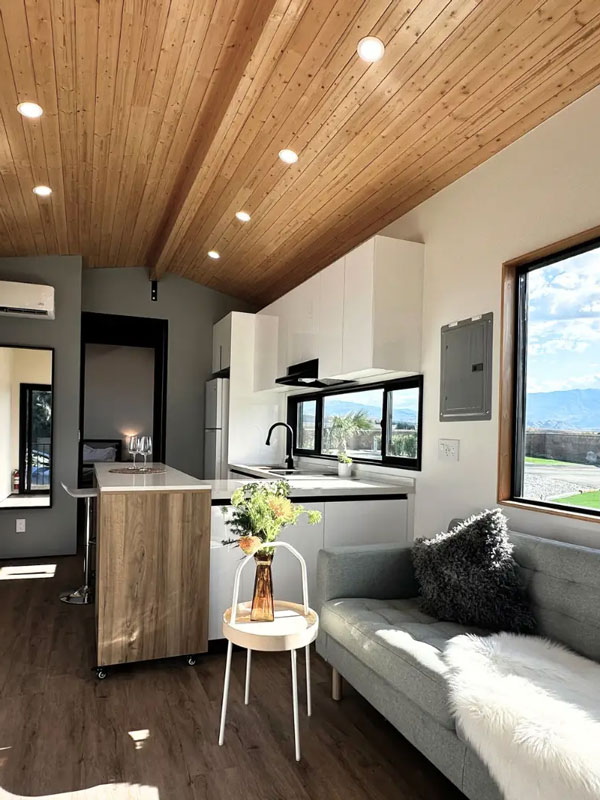
Start With Strategy, Not an Application
Every successful ADU project begins with a single, honest question: What is your goal?
The answer to that question determines everything — the financing structure, the build approach, the timeline, and the long-term outcome. Most ADU clients fall into one of two primary categories.
Multigenerational housing is often the driving motivation — parents relocating adult children, adult children supporting aging parents, caretaker housing for a family member, or simply downsizing without leaving the property you love. These projects prioritize livability, privacy, and long-term family flexibility.
Rental income strategy is the other common path — generating consistent long-term rental income, exploring short-term rental opportunities where local regulations permit, increasing overall property value, or using rental income to offset existing mortgage payments.
Your objective shapes the entire project. That is why RJ begins every consultation with sequencing, not paperwork.
The Most Common Financing Mistake
Many homeowners are told their only option for financing an ADU is to refinance their entire primary mortgage. In today's rate environment, that advice can be genuinely costly.
If you currently hold a historically low interest rate, replacing it with a higher market rate to access equity may cost significantly more over time than a better-structured alternative would. Depending on your equity position and borrower profile, there are often more efficient paths available — renovation loans, second mortgage structures, construction-to-permanent options, and equity-based strategies each carry different long-term implications.
The goal of RJ's consulting is never simply "approval." It is structural efficiency — finding the financing approach that serves your property and your financial future, not just the one that gets you to closing fastest.
Regulatory & Zoning Awareness Matters
ADUs are governed by local ordinances, and those rules vary more than most buyers expect. California's SB 9 and related state-level reforms have dramatically expanded ADU development rights across many municipalities — but implementation still varies significantly at the local level, and what is permitted in one city may not be permitted in the next.
Key regulatory variables that affect every ADU project include setback requirements, maximum allowable square footage, height limitations, parking requirements, owner-occupancy rules, and utility separation requirements. Before any funds are committed, RJ evaluates whether your parcel is legally eligible for the structure you are envisioning. Zoning feasibility should always precede contractor deposits.
Infrastructure: The Hidden Variables
The second most common budgeting error in ADU projects is underestimating the cost of site infrastructure. The structure itself is visible and easy to price. What happens underground and inside your existing systems is where surprises tend to emerge.
A complete ADU project often requires sewer lateral extensions or ejector systems, electrical panel upgrades (moving from 100-amp to 200-amp service is common), separate utility meters where required, foundation reinforcement, drainage correction, and in many municipalities, impact fees or school fees tied to new residential units. These are not edge cases — they are standard considerations that belong in your budget from day one.
RJ evaluates these structural realities early in the consulting process so they surface as planned line items rather than unexpected change orders. An ADU is not just a structure — it is an integration into existing infrastructure, and it needs to be budgeted that way.
Financing Structure: Sequencing Is Everything
When properly structured, ADU financing may involve home renovation loans, second mortgage solutions, construction-to-permanent structures, or equity-based borrowing — and the right choice depends heavily on your specific situation. For qualified borrowers, certain conventional programs may allow down payments as low as 5% for construction-related financing. VA options may also be available for eligible veterans. All programs are subject to qualification standards and underwriting guidelines.
RJ's role is to determine which structure aligns with your existing mortgage, your current equity position, your income stability, and your long-term housing goals. The wrong financing structure can over-leverage your property. The right one protects your equity while enabling a meaningful expansion of its value and utility.
Contractor & Builder Vetting
Financed ADU projects require licensed General Contractors — and not every contractor who builds ADUs is set up to work within a lender-financed model. Lenders require structured draw schedules, inspections must align with disbursements, builders must be bank-qualified, and timeline management directly affects your rate lock.
RJ maintains a strict approach to builder qualification and provides a Contractor Vetting Checklist to help clients confirm licensing verification, insurance compliance, experience with ADU-specific construction, and the contractor's ability to operate within staged funding models. Selecting the right builder from the start is one of the most effective ways to reduce financing risk and keep a project on schedule.
Valuation Reality: Cost vs. Appraised Value
One expectation worth setting early is that an ADU may not immediately appraise dollar-for-dollar with its construction cost. Appraisers rely on comparable properties with ADUs, rental income adjustments where applicable, neighborhood acceptance of accessory units, and the overall maturity of the local ADU market.
In high-growth ADU states — including California, Arizona, Washington, Texas, and Florida — comparable sales data is steadily improving, which is strengthening appraisal outcomes over time. But valuation remains market-dependent, and realistic expectations matter.
During consultation, RJ walks through your immediate equity position, long-term appreciation potential, and rental offset strategy so you enter the project with a clear picture of both the lifestyle value and the financial return. An ADU is a meaningful asset — and understanding how it will be valued helps you make smarter decisions about how to build and finance it.
ADUs Compared to Other Housing Types
ADUs occupy a unique position in the alternative housing landscape because they leverage existing property value rather than requiring new land acquisition. That distinction makes them a powerful tool for homeowners who want to expand their property's utility and income potential without starting from scratch.
If portability is your primary goal, RJ's Tiny Homes on Wheels advisory page covers that path in detail. If you're pursuing a fully standalone real estate asset with independent appreciation potential, the Modular Homes guide is the right reference. If you're building on rural acreage or considering steel-frame construction, the Barndominium Strategy Guide applies. Each category has its own financing rules, and understanding where your project fits is part of what the consultation clarifies.
Who RJ Serves
RJ consults with clients nationwide and structures loans in 48 states. Common client profiles include homeowners with substantial equity seeking to activate it strategically, families planning long-term property retention across generations, investors adding compliant backyard rental units, retirees creating caretaker housing on their existing property, and urban homeowners working to maximize lot efficiency in high-density markets.
Every project is different in its details. The need for proper sequencing is universal.
Your First Step
Before hiring a contractor or purchasing materials, the most valuable thing you can do is schedule a consultation to review your equity position, zoning feasibility, budget range, financing structure options, and builder readiness.
When structure, land, contractor qualifications, and financing are aligned early, ADU projects become predictable and manageable rather than stressful and unpredictable. That clarity is what RJ brings to every engagement — and it is what separates a well-built project from one that stalls halfway through.
Ready to build? Let's get the sequence right.
Unlock your property's potential with our flexible loan options. Apply now and turn your vision into a reality!